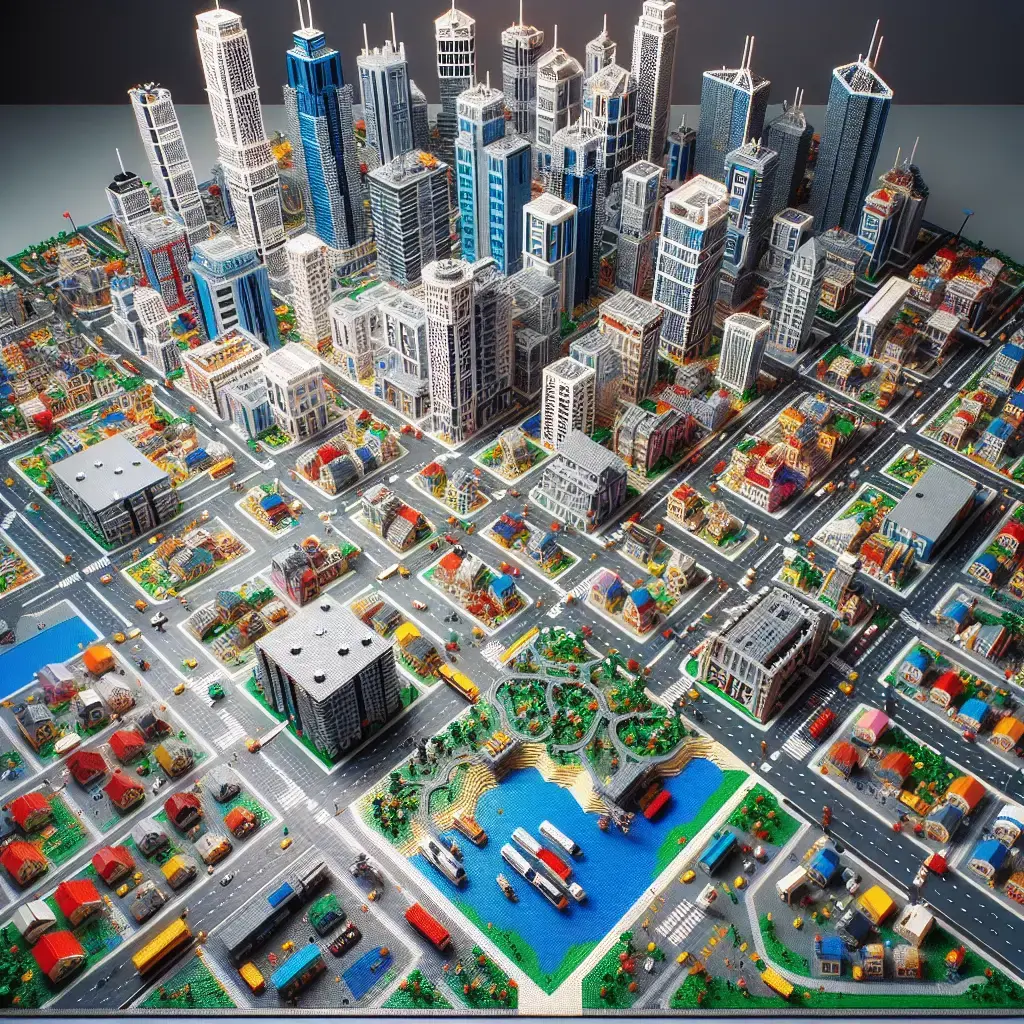
Creating a vibrant and dynamic Lego city is an art form that combines creativity, strategy, and architectural skill. With the use of modular building techniques, Lego enthusiasts can elevate their city planning, achieving expansions that are visually impressive and structurally sound. This guide delves into the world of Lego modular buildings, offering insights and strategies to effectively expand your Lego city while maintaining a cohesive and engaging layout.
Mastering modular building techniques is crucial for any Lego city expansion. These methods not only enhance your city's visual appeal but also ensure structural integrity and flexibility for future modifications. This section explores effective utilization of these techniques, drawing insights from various domains.
Understanding Modular Building Techniques
Modular building techniques in Lego involve using interchangeable sections, allowing builders to reconfigure their cityscape easily. This approach offers flexibility and adaptability, letting you seamlessly transition between different themes or eras. By integrating these techniques, you enhance both the aesthetic and functional elements of your layout.
A prime example of modular versatility is the release of the Lego 60420 Construction Excavator. This set epitomizes the modular approach, providing a dynamic construction element and opportunities to explore urban expansion through practical builds. Its vibrant yellow construction machinery adds vibrancy and realism to your Lego city.
Incorporating Recent Trends and Innovations
Staying updated with recent trends is crucial for advanced Lego builders. New sets like the LEGO Wicked Sets provide fresh opportunities to expand and customize your city. Designed with modularity in mind, these sets offer creative avenues for urban planning and architectural innovation.
Insights from Professor Bent Flyvbjerg on megaproject planning can inspire Lego enthusiasts to think big and strategically about city expansion. His expertise on large-scale project planning highlights the importance of thorough planning and strategic resource allocation—principles equally applicable in Lego city design.
Strategic Planning for a Cohesive Layout
Strategic planning is essential to maintain a cohesive Lego city layout. This involves thoughtful design and meticulous urban planning. Consider these tips for effective planning:
- Identify Key Zones: Determine locations for residential areas, commercial hubs, and industrial zones.
- Utilize Grid Systems: Implementing a grid system simplifies planning and ensures alignment across sections.
- Integrate Transportation: Include roads, railways, or waterways to connect parts of your city seamlessly.
Strategic planning ensures that your city not only looks impressive but functions effectively as a miniature metropolis.
Case Study: Auckland’s Urban Planning Insights
Drawing parallels from real-world examples can provide valuable insights into Lego city expansion. Consider Auckland’s approach to urban development, as highlighted in Greg Bruce’s opinion piece on Auckland's shopping malls. The principles of evaluating various elements can be applied to assess the functionality and appeal of different sections within your Lego city.
By evaluating your Lego city’s zones as you would real-world components—like residential satisfaction or commercial success—you can create a balanced and engaging layout that resonates with both form and function.
Enhancing Your Cityscape with Technological Innovations
Integrating technology into Lego builds opens new horizons for creativity and functionality. Inspired by innovations recognized in the 2024 Tech for Change Awards, consider incorporating digital elements into your city:
- Smart Lighting: Use LED elements to illuminate buildings, adding a dynamic night-time aesthetic.
- Interactive Features: Incorporate sensors or motors to bring movement to your city, enhancing engagement.
Technological enhancements transform static builds into lively, interactive environments that captivate builders and observers alike.
Conclusion: Mastering Lego City Expansion
Expanding your Lego city through modular building techniques offers a transformative approach to both design and functionality. Here's a recap of key points discussed:
Modular Building Techniques: Embrace interchangeable sections to easily reconfigure and enhance your city. The versatility of sets like the Lego 60420 Construction Excavator illustrates how modular designs add vibrancy and realism.
Incorporating Trends and Innovations: Stay updated with new sets like LEGO Wicked Sets for creative expansion. Draw inspiration from strategic planning experts such as Professor Bent Flyvbjerg for large-scale projects.
Strategic Planning: Ensure a cohesive layout by identifying key zones, utilizing grid systems, and integrating transportation networks. Real-world examples, like Auckland’s urban planning, enhance your approach.
Technological Enhancements: Integrate smart lighting and interactive features inspired by the 2024 Tech for Change Awards to enliven your city.
These strategies unlock new dimensions of creativity and sophistication in Lego city expansion. By prioritizing aesthetics and functionality, you craft a city that not only looks stunning but tells a compelling story.
As you delve deeper into expanding your creations, remember that each build is an opportunity to reflect your unique vision. Share your experiences, insights, and creations in the comments below. What challenges have you faced, and what triumphs have you achieved in your Lego city endeavors?
Happy building!
Author: Lydia Thompson